StrategyGuideFor Developers

Interior vs Exterior Rendering: Which Should You Commission First?

For developers on a budget, the choice between interior and exterior renderings is often the difference between a successful pre-sales launch and a stalled one. Here is how to decide.

Ruslan SnisarenkoFebruary 27, 2026 6 min read
Interior vs exterior architectural rendering comparison for developers

Interior vs Exterior Rendering: Which Should You Commission First?

Every developer who has launched a pre-sales campaign has faced this question: with a limited visualization budget, do you spend it on showing the outside of the building, or the inside of the units?

The answer depends on what you're selling, who you're selling to, and where you are in the sales cycle. Here's how we think about it after four years of serving developers across Florida and internationally.

Start With What Buyers Actually Buy

Buyers don't buy buildings. They buy the promise of a life that happens inside one.

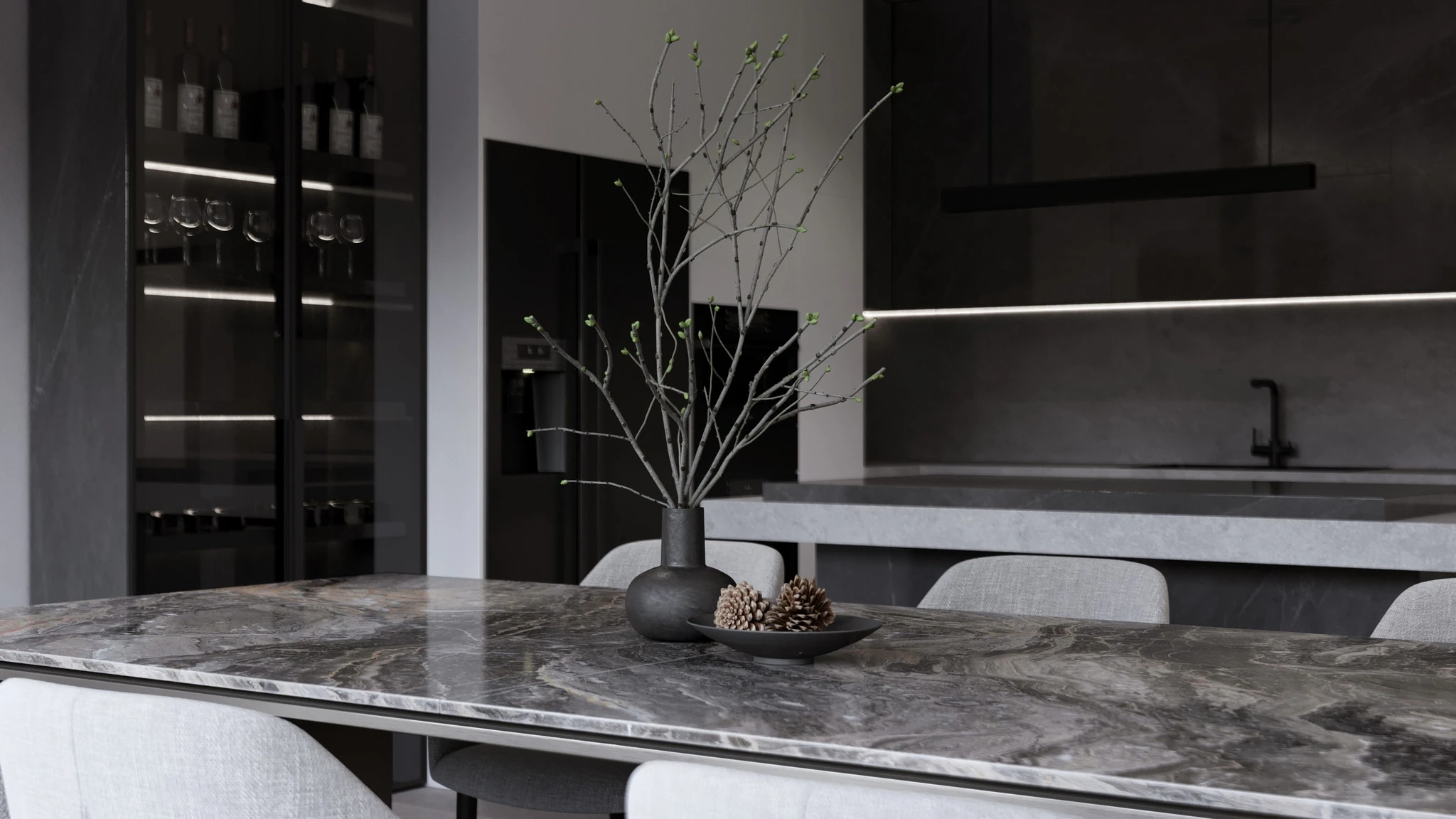
For condo developments, interior renderings do more conversion work than exterior renderings. A buyer imagining themselves at their kitchen island, watching sunset over the Bay, is a buyer who signs a deposit. A buyer staring at an exterior rendering is a buyer still evaluating whether to visit the sales center.

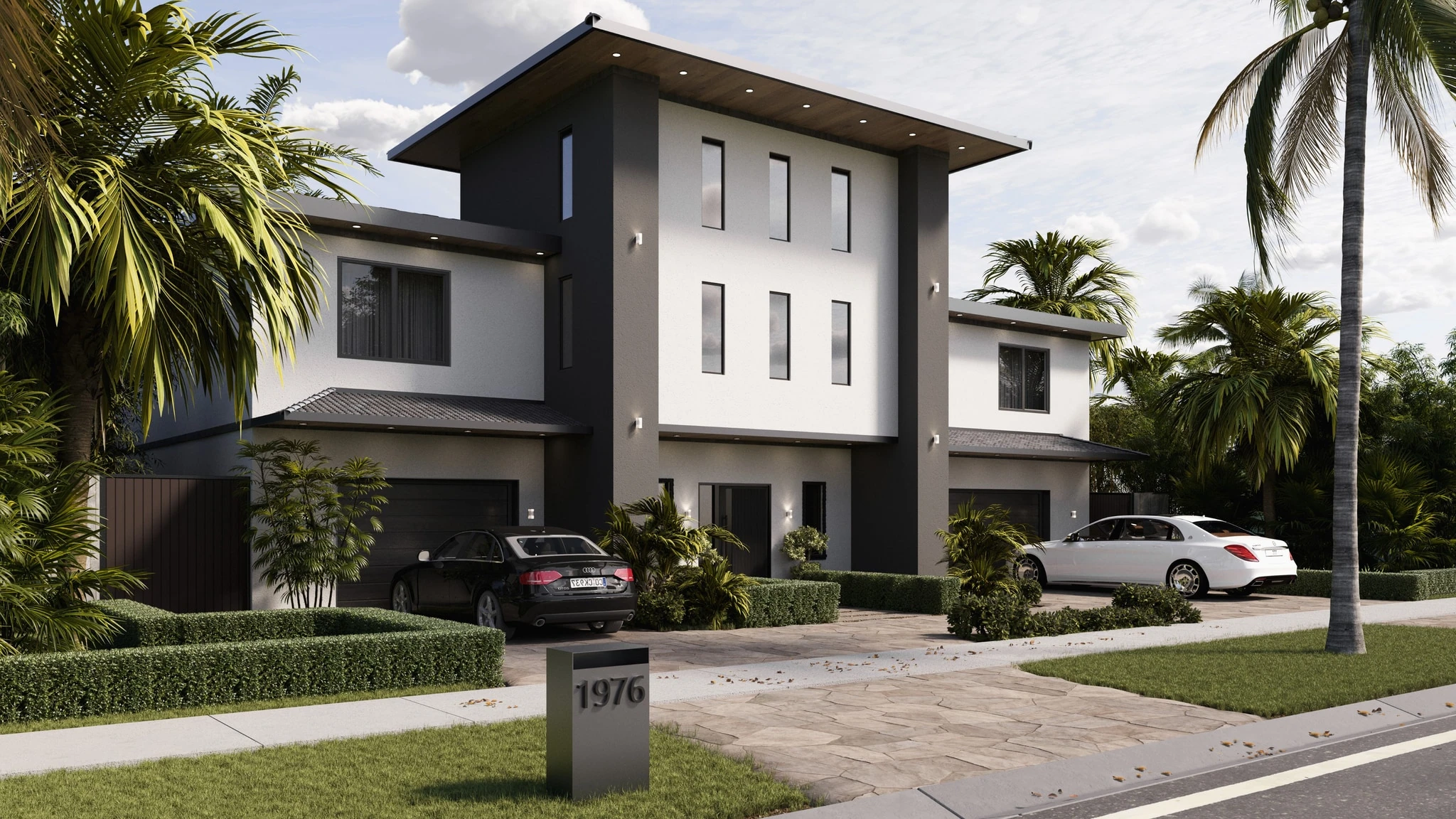
For single-family residential, the balance shifts toward exterior. The building is the product. Its silhouette against the landscape, its relationship to the property, its curb appeal — these are the primary purchase drivers.

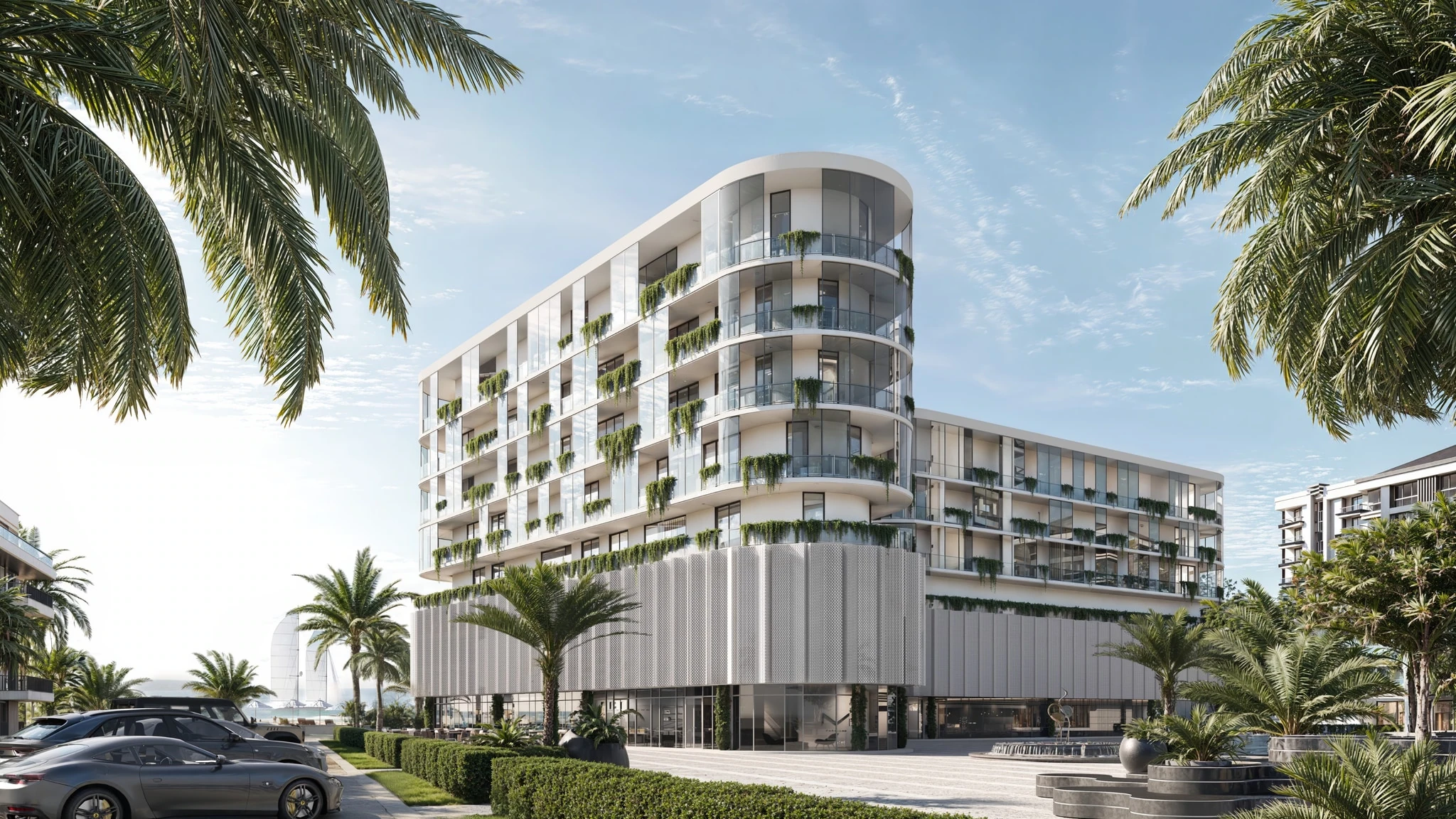
For commercial and hospitality, exterior renderings establish brand; interior renderings establish experience. You likely need both.

The Launch Sequence That Works

For a typical residential development, we recommend the following order:

Phase 1 (at sales launch): One exterior hero + three interior unit configurations. The exterior establishes that the project exists and sets aesthetic expectations. The three interiors show the buyer options — typically a 1-bedroom, 2-bedroom, and a penthouse or premium configuration. This is the minimum viable marketing package for serious pre-sales.

Phase 2 (30-60 days after launch, or when pre-sales hit 30%): Additional exteriors (night scene, aerial), plus detail interior shots. At this stage, your marketing channel has established interest and needs depth. Night renderings photograph well on Instagram. Detail interior shots (bathroom close-ups, kitchen details) close deals with buyers who are already interested.

Phase 3 (when pre-sales hit 50%+): Animation and VR. These are retention tools. Buyers who have expressed interest but not committed respond to immersive content. A 60-second cinematic film distributed to your warm list outperforms a new exterior rendering at converting hesitant deposits.

When to Prioritize Exterior

Masterplanned communities. You're selling the community, not a specific unit. Aerial exteriors and community-wide renderings do the work.

Historic restoration or renovation projects. The "before and after" exterior story is the sale.

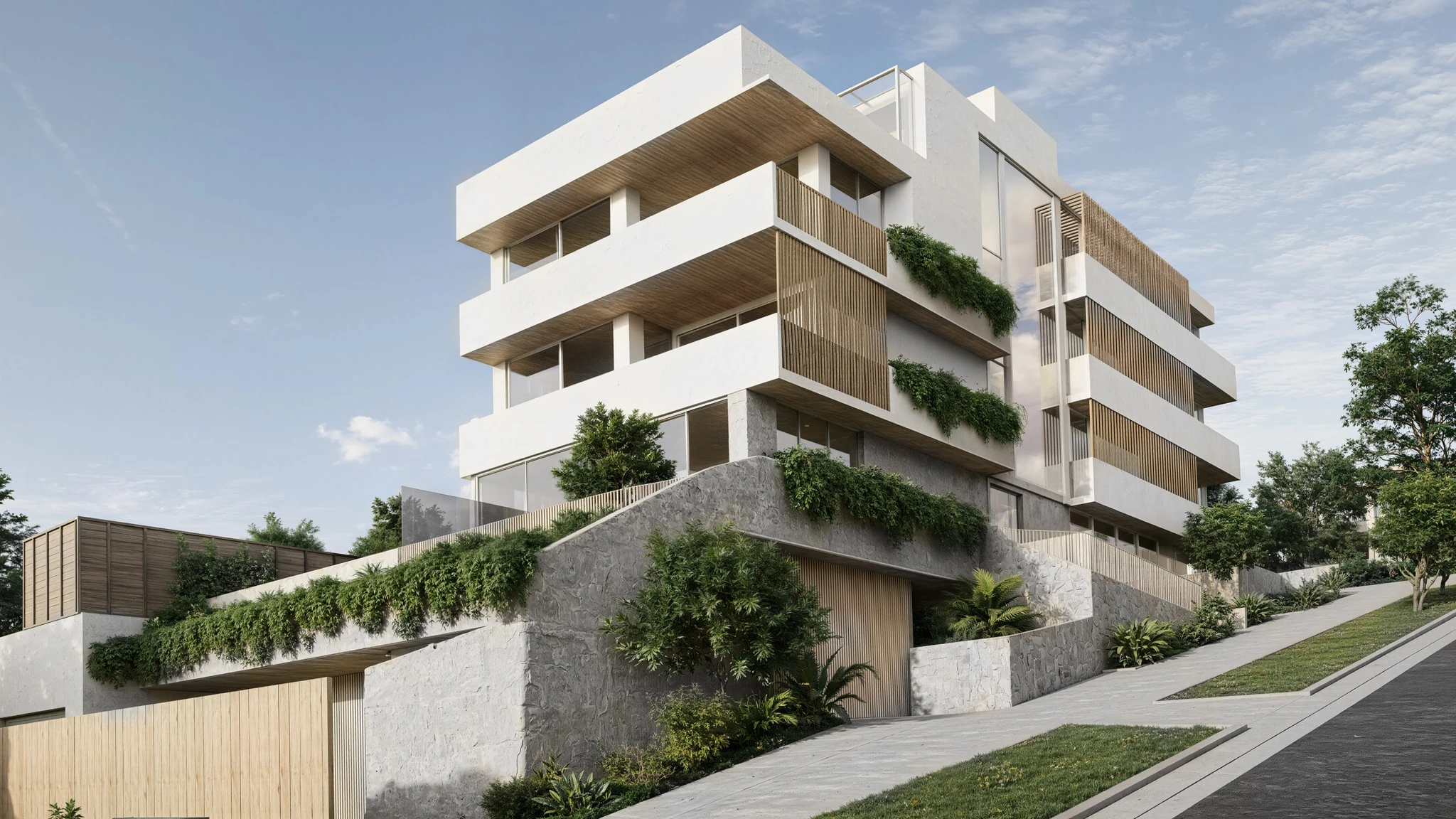
Signature architecture by a well-known practice. The architecture itself is the marketing. Exterior renders of a Bjarke Ingels or Rem Koolhaas project sell themselves.

Commercial and hospitality. First impression is the facade; interior follows.

When to Prioritize Interior

Urban condos with limited exterior differentiation. If every Miami Brickell tower looks somewhat similar, the interior finish specification is where buyers decide.

Luxury residential at the premium end. Ultra-luxury buyers don't buy facade; they buy lifestyle. Interior does the work.

Off-plan pre-sales where the outside is under a construction fence. Buyers cannot see the outside yet anyway. Invest where they can actually evaluate.

Spaces where the experience is the product — restaurants, spas, boutique hotels, specialty retail. The interior is the brand.

The Overlooked Third Option

There's a third type of rendering that often delivers higher ROI than either interior or exterior alone: the viewpoint rendering. This is an interior rendering whose subject is actually the view out the window.

A Miami condo rendering where the subject is the Biscayne Bay sunset framed by your kitchen island is both an interior rendering and a location-sale rendering. A Clearwater waterfront rendering where the Gulf is visible through the living room glass is selling the lifestyle, not the flooring.

For projects where location is a major value driver — which in Florida is most projects — viewpoint renderings often outperform either pure interior or pure exterior imagery.

Budget Allocation Rule of Thumb

For a residential development with limited budget, we typically recommend:

  • 60% of budget on interiors (including viewpoint renderings), spread across 2-4 unit configurations
  • 30% on exteriors (one hero, one supporting angle)
  • 10% held in reserve for revision rounds and supporting imagery discovered during sales

For single-family custom residential, flip this: 60% exterior, 30% interior, 10% reserve.

The Question to Ask Yourself

Before commissioning any rendering, answer this: what specific objection will this image overcome?

If a buyer's objection is "I can't picture living in this space," interior renderings answer that. If the objection is "I don't know if this project will actually deliver on its architecture," exterior renderings answer that. If the objection is "I don't trust the finish specification," material-detail interior renderings answer that.

Commissioning imagery that answers no specific objection produces pretty pictures that don't convert. Start with the objection, then decide the image.


Need help planning your visualization budget? Dream Renders offers fixed-scope quotes and strategy consultations for Florida developers. Get in touch or use our estimator tool.

More Articles

Ready to Start?

Fixed-scope quote within one business day.

0 / 5000

By submitting, you agree we may contact you about your inquiry. We do not share your details with third parties.